
When contractors lose a job, they often assume it was due to the price. But that’s usually not the case.
Clients tend to choose a construction quote based on clarity, responsiveness and trust signals, not on the lowest number at the bottom of the page.
The contractor who quotes first, with the clearest scope and the most professional presentation, often wins the job even when they're not the cheapest one in the running.
Clarity, speed and trust are things you control, and client expectations around them are more consistent than a lot of contractors assume.
You can't always beat a competitor's price without eating into your margin but you can beat them on how confident your quote looks and how quickly you deliver it.
Key Takeaways
- Clients pick on clarity, responsiveness and trust, not always on the lowest price.
- Most homeowners can't compare quotes line by line, so the clearer quote usually wins.
- The contractor who quotes first often wins the job, regardless of price.
- Trust signals like insurance, licensing and testimonials materially influence the close.
- Accurate takeoffs make a quote feel confident, even when the client never sees the underlying numbers.
Why Clarity Beats a Cheap Price
Many homeowners won’t necessarily understand line-item construction pricing well enough to compare quotes accurately.
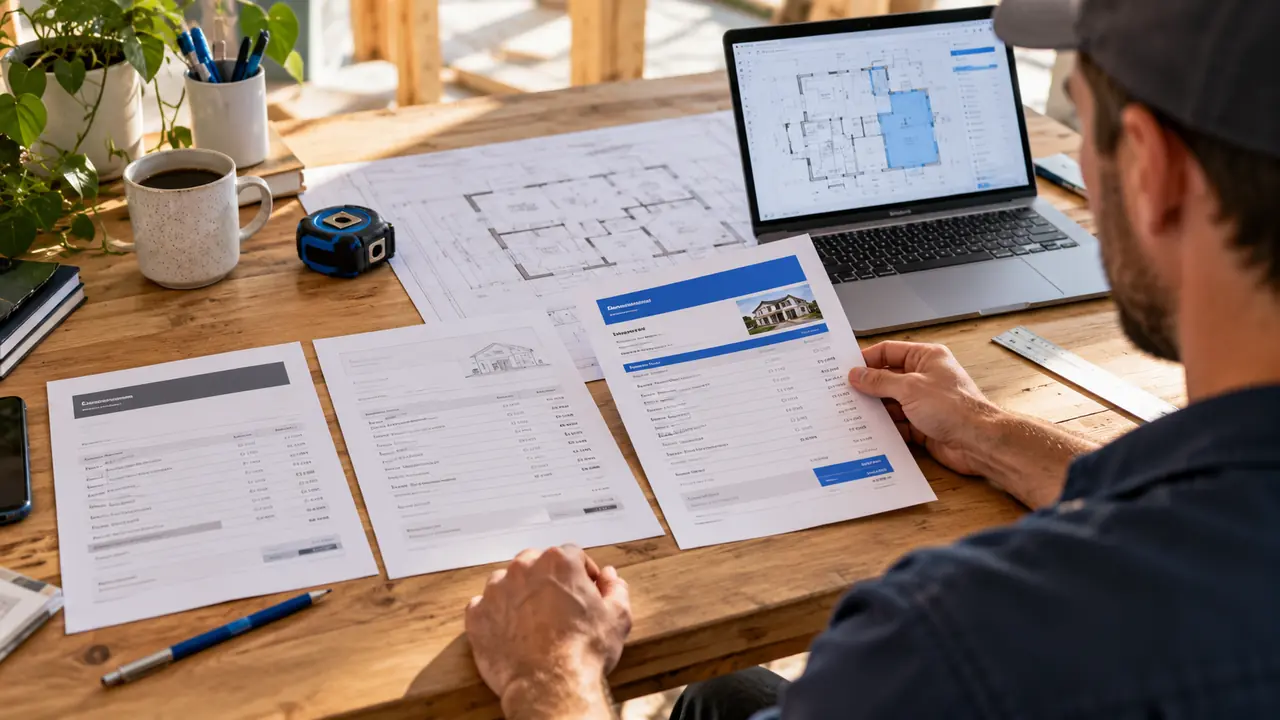
Imagine a client has three quotes on the kitchen table. One is a lump sum with a small amount of detail, one lists every material and stage in plain language and one is somewhere in between.
Even if the vague one is $2,000 cheaper, most people outside the trade can't figure out whether that reflects a better deal or a corner about to be cut, so they default to the quote they understand.
NSW Government's guidance on getting quotes tells homeowners to give every contractor an identical brief and check that the quotes list all the materials and work involved, so they can compare like for like.
When a client can't verify if your price is fair, they fall back on whether they understand it and trust the person who wrote it.
A clear, well-structured quote builds trust even when it isn't the lowest-priced one on the table, and trust closes more deals than discounts do.
The Five Things Clients Notice in a Quote
Clients notice five things in a construction quote that have nothing to do with the headline price: professional presentation, clear scope, transparent inclusions and exclusions, a realistic timeline and an obvious understanding of their project.
Professional Presentation
A clean layout, correct spelling and consistent formatting signal the same care that will show up on site.
Clear Scope
The client should read what's being done without needing to phone and ask. Vague line items like “electrical works, as required” are a red flag for clients.
Transparent Inclusions and Exclusions
What's covered and what isn't should be stated, not implied. Consumer Affairs Victoria's guidance tells consumers to check what's included, from materials and labour to call-out fees, before they sign.
A Realistic Timeline
A start date and a rough finish window, with a note on what could shift it, shows you've thought about their job rather than pasted in a template.
Obvious Understanding of Their Project
A quote that references the client's specific job, not a generic version of it, tells them you actually read the plans.
For a fuller breakdown of what to include in a construction quote line by line, and a construction quote example laid out the way clients respond best to, our guide to construction quotes that win more jobs covers the format in more depth.
Why the Fastest Quote Often Wins the Job
The contractor who quotes first wins far more often than price alone would predict. Clients often treat responsiveness as an indicator of how the rest of the job will go.
This tracks with broader customer research. A 2025 Housecall Pro survey of US homeowners found speed of response was one of the strongest factors in who homeowners hired.
The survey covers home services generally rather than construction specifically, but the logic holds for any project. A fast, clear response is the first data point they get about you, before they've seen your work.
In practice, “fast” means acknowledging the enquiry within a day, even if the full quote takes longer to deliver, getting the written construction quote out within 24 to 48 hours where the scope allows it and answering follow-up questions in hours rather than days.
Slow quoting signals to the client how communication will go once the deposit is paid, and most people would rather not find that out the hard way.
The Trust Signals That Build Confidence
The quote is usually the client's first formal impression of you. Trust signals like insurance details, licence numbers, testimonials and clear next steps carry far more weight in that decision than many contractors expect.
Insurance and Licence Details
Consumer Affairs Victoria advises consumers not to pay a deposit until the builder provides a certificate of currency for insurance, and to check registration for work over $10,000.
Consumer Protection WA lists job description, materials, labour and time needed as the baseline for a proper quote. If you leave it off, a growing number of clients will go looking for it or go elsewhere.
Testimonials or References
A line or two from a past client, ideally for similar work, reassures a stranger more than another paragraph about your own experience.
Clear Next Steps
Tell the client what happens if they sign by giving them details on the deposit, the start date and their point of contact. Leaving this vague looks disorganised.
No Typos
It sounds small, but a quote riddled with errors undercuts every other trust signal on the page.
The Follow-Up That Closes the Deal
The follow-up is almost as important as the quote. A timely check-in, prompt answers to questions and making it easy for the client to say yes, usually with a phone call rather than a fifth email, often closes deals that the quote alone wouldn't.
A simple cadence works for most residential and light commercial jobs:
Note: The supplied article ends mid-sentence after the final colon. I've left it there rather than inventing the remaining content. When pasting into Webflow, check that H2 and H3 headings retain their hierarchy and that the hyperlinks remain active.
Why Accurate Measurements Make a Quote Feel Real
Accurate, measured quantities change how a quote feels to the client. Specific numbers signal competence, while rounded ones suggest guesswork.
Clients aren't generally auditing your quote line by line. They're skimming it and forming a quick impression. A construction quote example padded out with round numbers ("approx. 40 sqm of tiling") makes it sound like you’re guessing, and clients pick up on that even if they can't necessarily explain why.
A quote built on measured counts, lengths and areas gives off accurate measurements, and that impression forms in the few seconds it takes to skim the page, long before price is discussed.
How Groundplan Helps You Quote With Confidence
A client can't see the takeoff. They can only see whether the quote seems guessed or grounded, and they pick up the difference more quickly than contractors might realise.
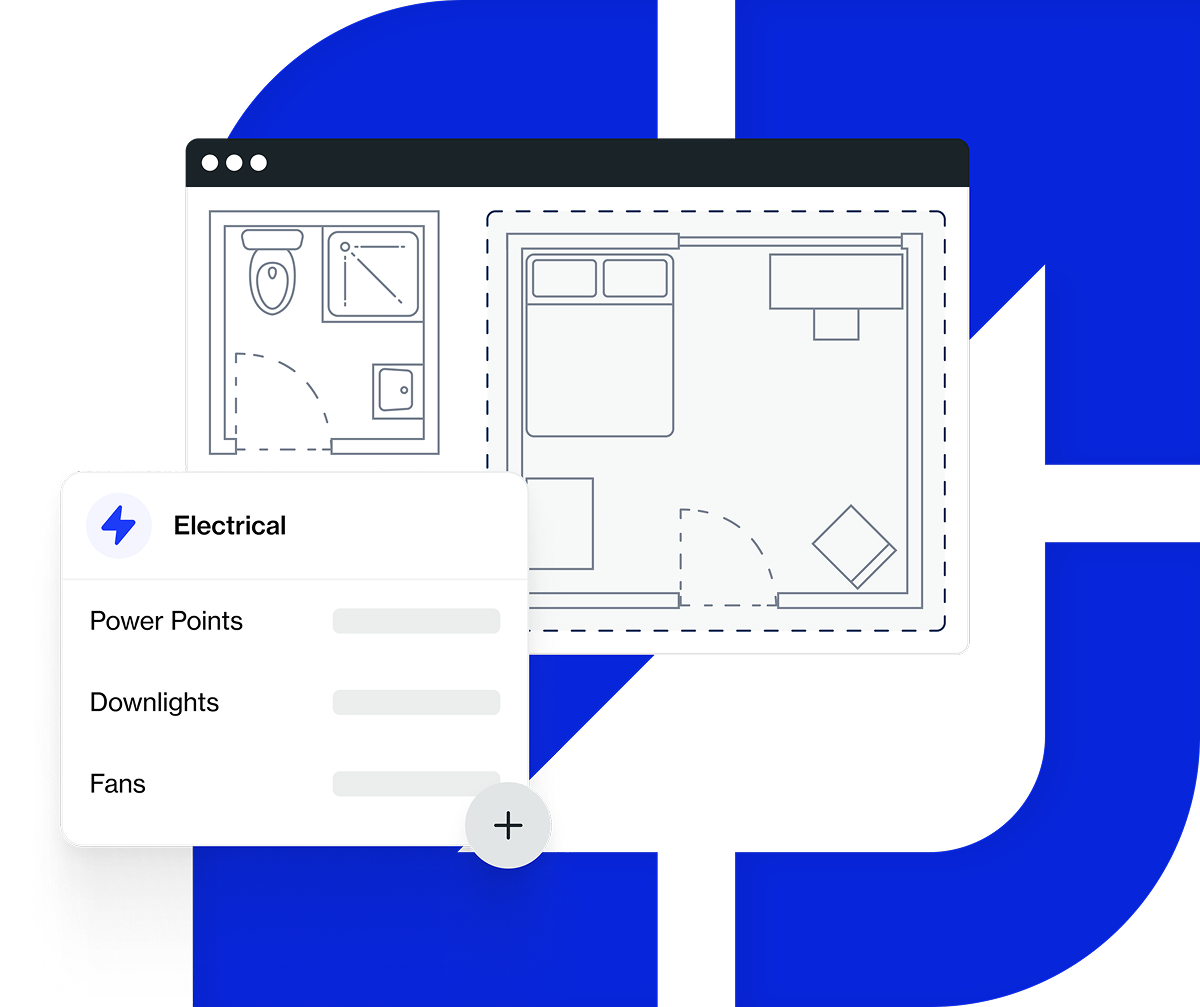
Groundplan's count, length and area tools give each line in a quote a measured source, taken straight off the plan.
The quote arrives looking specific and defensible, and if the scope moves midway through a job, you can revise the number quickly instead of re-guessing it.
Faster takeoffs mean faster quotes as well, which loops back to the responsiveness clients notice first.
Groundplan also integrates with the job management and accounting tools most trade businesses already run, so takeoff numbers flow through to the quote without re-entering them by hand.
If margins are the part of this you're less sure about, our guide to markup vs margin for contractors walks through the difference, and why it costs some contractors thousands a year without them noticing.
Frequently Asked Questions
Do Homeowners Always Pick the Cheapest Construction Quote?
No. Clarity, responsiveness and trust signals matter more to most homeowners than the lowest number, mainly because most people can't verify whether a lower price reflects a better deal or a corner being cut.
What Does a Homeowner Look for in a Builder's Quote?
Five things in particular: professional presentation, clear scope, transparent inclusions and exclusions, a realistic timeline and evidence the contractor understood their specific project rather than pasting in a generic template.
These expectations are the same across residential and light commercial jobs.
How Long Should I Wait Before Following Up on a Construction Quote?
Check in at 24 hours, follow up by phone at the one-week mark and send a final low-pressure message at two weeks. If there's no response after three check-ins, it's reasonable to move on.
What's the Biggest Mistake on a Construction Quote?
Vagueness on scope. Line items like “as required” or “as needed” work like a blank cheque and are one of the fastest ways to lose a client's confidence, closely followed by typos and missing inclusions or exclusions. If you're unsure what to include in a construction quote, start with those three.
Should I Include My Insurance and Licence Details on the Quote?
Yes. It's one of the clearest trust signals available to you, and consumer bodies in NSW, Victoria and Western Australia all advise clients to check for exactly this information before they sign anything.
Is It Better to Quote High or Low if I'm Not Confident About the Numbers?
Neither. Quote at a fair price backed by measured quantities. An unusually high or unusually low number both tend to signal a lack of confidence in your own estimate, and clients notice even without knowing why.
Start Quoting From the Client's Side of the Table
Most of the factors that help a construction quote win the job are not related to shaving your margin. Focus on clarity over cheapness, speed over hesitation and trust signals a stranger can verify.
If you put that together with a quote built on measured quantities instead of guesswork, you’ll be competing on what matters most to clients.
Start a free trial of Groundplan and back it with count, length and area tools built for exactly this job.