When you're busy getting quotes out and keeping jobs moving, reviewing how your systems work together can slip down the list. Once a quote is accepted, attention quickly turns to ordering materials and getting the team on site.
But it's worth occasionally following a job all the way through. Did the estimate cover what was needed? Could the office easily order the materials? Were changes picked up before the final invoice?
For businesses using Groundplan and Simpro, the end of the year is a good time to ask these questions. You don't need to review everything. Start with one recent job and focus on three areas.
1. Check the information behind your estimate
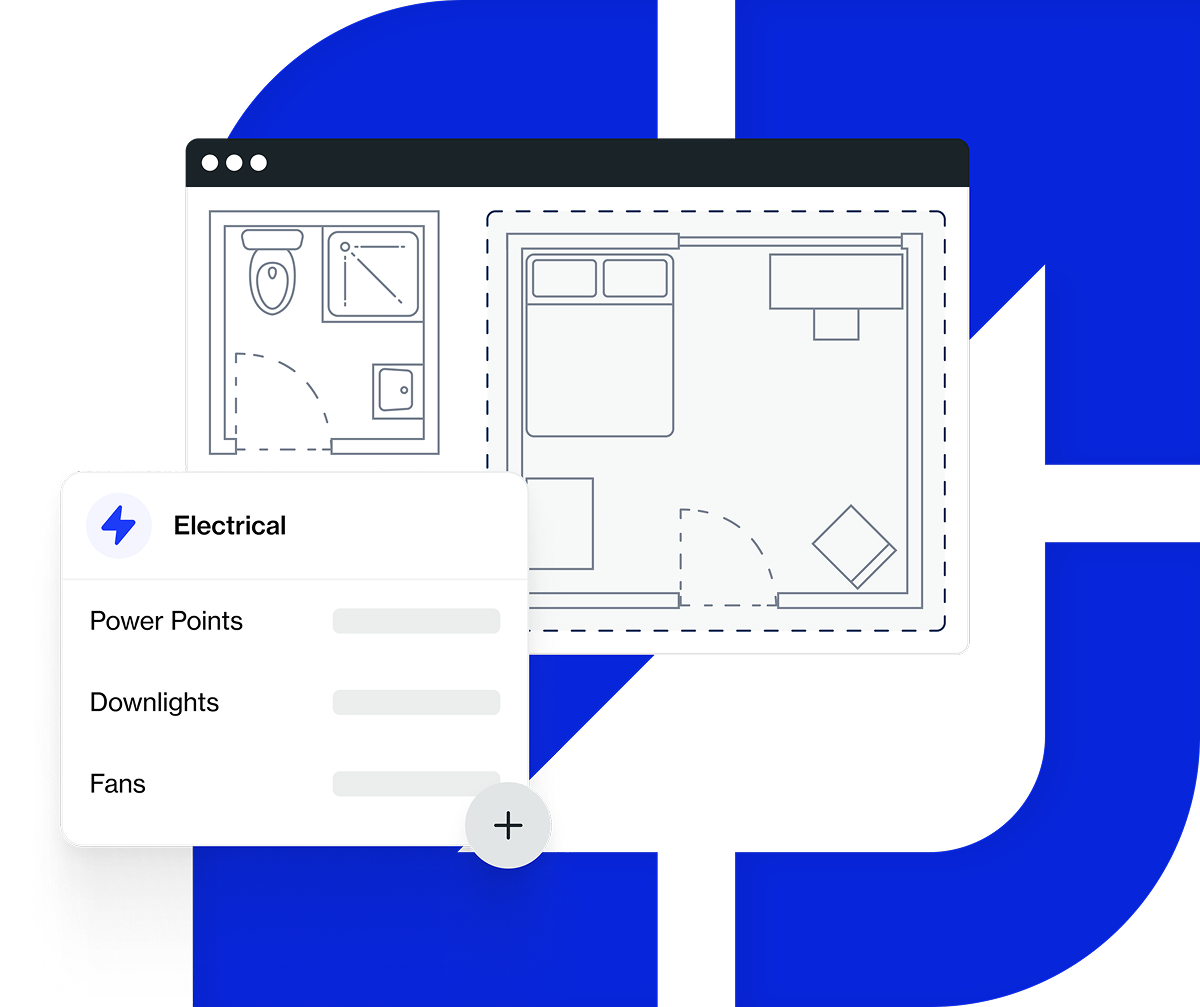
Groundplan lets you count and measure from plans using your Simpro catalogue items and prebuilds, then send the estimate into a Simpro quote. This reduces double handling, but the information behind those items still needs regular attention.
Look at the catalogue items and prebuilds your team uses most often. Are material costs current? Are descriptions clear enough that different estimators would select the same item? Do your prebuilds include the materials and labour allowances you expect?
Check the units as well. If you're measuring cable by the metre, make sure the item or prebuild selected represents the intended quantity per metre. A small mismatch can become a much larger issue across a whole project.
Before transferring the estimate, confirm the drawing revision, scale and scope. Once it's in Simpro, review the quantities, cost centres and labour rates, along with any job-specific allowances.
You may have counted every fitting correctly, but restricted access, travel or work outside normal hours could still affect the price. Those details deserve a final check before the quote goes out.
2. Make the handover work for the whole team
The estimator usually knows the plans and the thinking behind the quote. The person purchasing materials or managing the job may not have that same background.
Once the quote is accepted, can they clearly understand what's required and where it belongs? Do the cost centres make sense to them? Are the relevant plans, exclusions and notes available?
This becomes especially important when materials are ordered in stages. Agree how the team will check required quantities, existing orders and stock already allocated before placing another order.
Then consider what happens when the plans change. Updating measurements in Groundplan is one part of the process. Someone also needs to review the effect on the Simpro quote or job, check whether purchasing is affected and arrange customer approval where required.
Be clear about who owns each step. Otherwise, the team can complete additional work while everyone assumes someone else has dealt with the variation.
A short conversation between estimating, purchasing and project management can uncover handover issues that aren't obvious when each person only sees their own part.
3. Bring the lessons back into your next quote
The value of a completed job goes beyond getting the final invoice out. It gives you a chance to check whether your estimating allowances reflect what happens on site.
Compare the materials and labour allowed with the costs recorded in Simpro. Were extra materials needed? Did installation take longer than expected? Were all approved variations included in the invoicing?
For fixed-price work, an overrun won't automatically mean you can charge more. It can, however, help you price the next job more accurately.
Look for repeated differences. If the same assembly regularly takes longer to install, review the labour allowance in the prebuild. If materials are consistently missing, check what's included in the items used for your Groundplan takeoff.
Ask the people who did the work too. They can often explain a difference that the figures alone won't show.
Start with one job
At e2e, we implement Simpro for trade and field service businesses, and help existing users review their setup and the processes connecting it with tools such as Groundplan. Following one job from takeoff to invoice is a practical place to start. A few focused improvements now can make quoting, purchasing and managing the next job easier for everyone involved.
Author Bio
Racheal O'Brien is an Implementation Consultant at e2e, a Simpro Select Partner helping trade and field service businesses across New Zealand and Australia get more from their systems. She implements Simpro for new clients and works with existing users on catalogues and prebuilds, and the processes that connect estimating, purchasing and job management, so quoting is faster and margins hold from takeoff to invoice.
Visit: e2e